Introduction
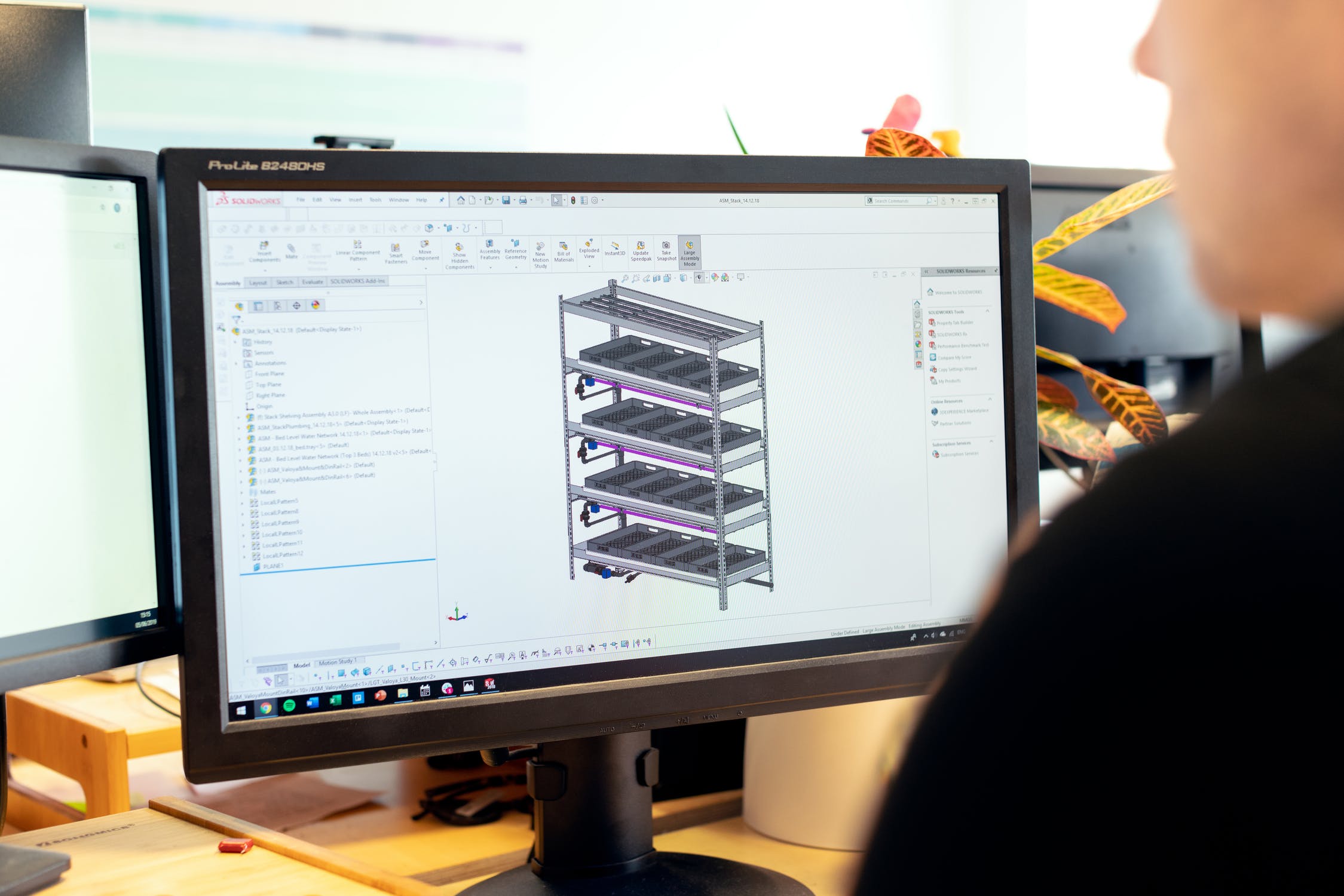
Today, digital transformation isn't just an option; it's a necessity for companies aiming to stay competitive. Brazil is no exception to this rule. With the increasing complexity of business operations, there's a demand for systems that integrate and optimize processes. Enter ERP, or Enterprise Resource Planning. However, choosing an ERP system can be a double-edged sword: a powerful solution when well implemented, but a complexity nightmare when not. How can you navigate this landscape and make the right choice?
What is an ERP?
An ERP is an integrated management system that centralizes a company's information and processes on a single platform. With it, areas such as finance, human resources, production, sales, and logistics communicate with each other, promoting efficiency and reducing data redundancy.
Advantages of Implementing an ERP
-
Data Centralization: All company data is stored in one place, facilitating access and information analysis.
-
Improved Communication: Different areas of the company communicate more effectively, reducing information errors.
-
Process Automation: Routine tasks are automated, freeing up time for more strategic activities.
-
Better Decision-Making: With real-time updated data, decision-making is faster and more informed.
Challenges in Choosing an ERP
Despite its advantages, implementing an ERP isn't without challenges. Before signing onto a solution, it's essential to consider some critical factors.
Identify Your Company's Needs
First and foremost, it's crucial to understand your company's specific needs. Ask yourself:
- Which processes need integration?
- What are the main operational bottlenecks?
- What is the budget available for implementation?
Choose a Scalable ERP
As the company grows, its needs will also evolve. A scalable ERP is crucial to ensure the system can keep up with this growth without losing performance or requiring a change.
Cost Considerations
The costs associated with an ERP go beyond just purchasing the software. Consider:
- Licensing: How the software is licensed can significantly impact the overall cost.
- Customization: Highly customized systems can incur additional costs.
- Training and Support: Ensure your team will be adequately trained and have continuous support.
Integration with Existing Systems
Integration with existing systems is a critical factor. An ERP that doesn't communicate well with your current tools can result in more problems than solutions.
Practical Example: Success or Failure?
Success Story: A mid-sized retail company managed to reduce inventory time by 50% and increase order accuracy by 30% through a scalable ERP. This result was achieved with a detailed prior analysis of needs and careful selection of the provider.
Failure Case: Conversely, an industry chose a complex ERP without considering the need for adequate training. Result: low employee adherence and increased order processing times.
Conclusion
Choosing the right ERP is a crucial step to ensure your company doesn't become a prisoner of your system's complexity. By making informed decisions—evaluating your needs, integration capabilities, and scalability—you'll be better positioned to reap the benefits of an efficient ERP solution.
Are you ready to transform your company's management? Contact ERP specialists who can help identify the ideal solution for your specific needs. Don't delay your business's digital transformation!
Share Text: Transform your business with the right ERP! Discover how.