Introduction
Document management is a crucial aspect for any business, regardless of its size or industry. With advancing technology and growing concerns about information security, the way we manage documents is rapidly evolving. But do you truly understand the importance of this practice and know which tools can make the process more secure and efficient? In this article, we will explore these aspects, helping you transition from old practices to new approaches in document management.
The Importance of Document Management
Document management goes beyond simply organizing files. It involves the entire lifecycle of documents: from their creation, storage, and sharing, to their proper destruction. Effective document management can bring several benefits to a company, such as:
- Increased operational efficiency: Well-organized and easily accessible documents reduce the time spent searching for information, boosting productivity.
- Improved information security: A robust document management system ensures that only authorized people have access to sensitive information.
- Legal compliance: Proper document management helps companies meet legal and regulatory requirements, avoiding fines and penalties.
- Cost reduction: By reducing paper use and optimizing processes, document management can lead to significant savings.
Transitioning from Old to Modern Practices
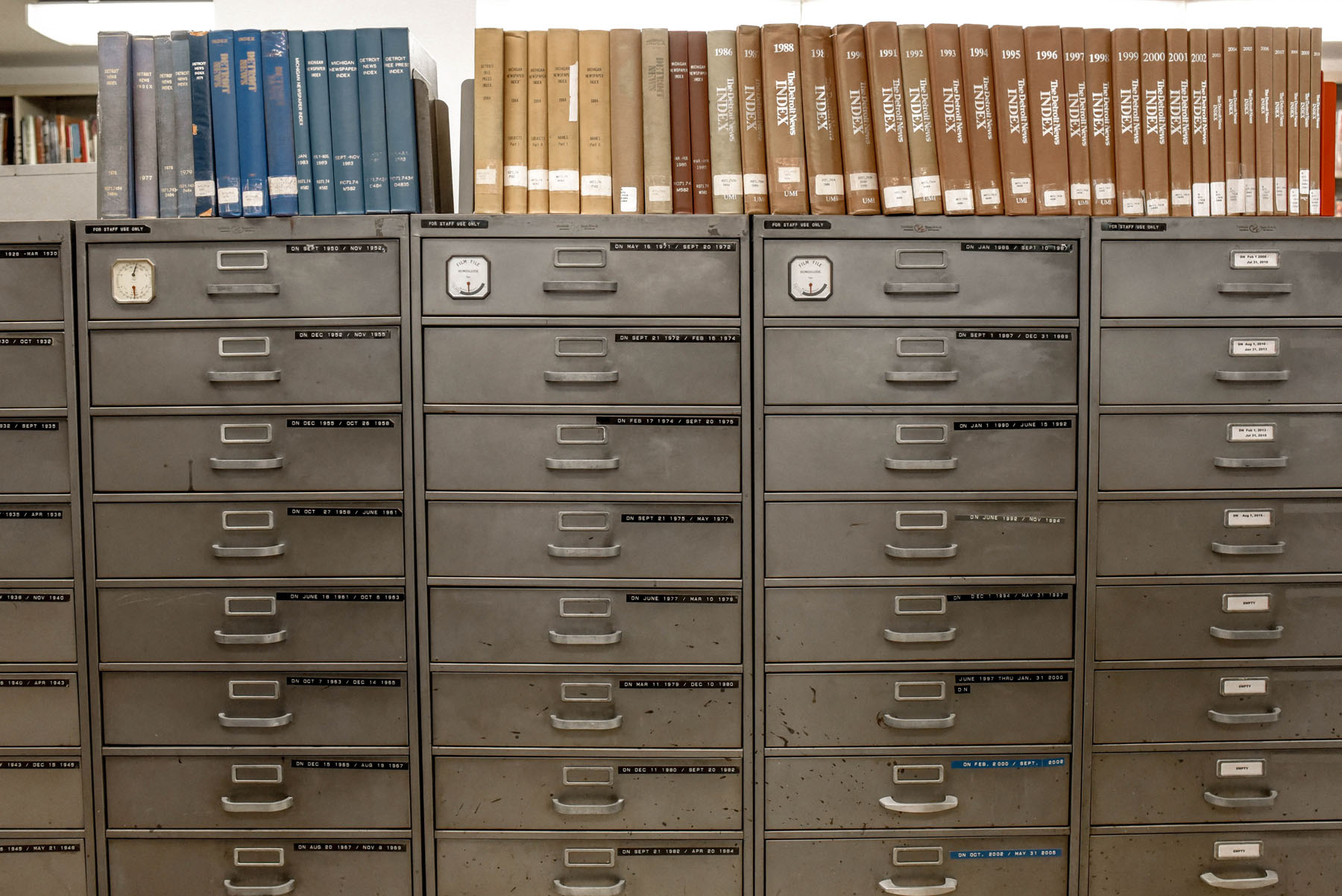
Many companies still rely on traditional methods for managing their documents, such as physical files and local storage systems. However, these practices have several limitations, including the risk of document loss and difficulty in remote access. Next, we will discuss how adopting new tools and technologies can transform document management.
Document Management Tools
Technology offers various tools that can make document management more efficient and secure. Here are some of the most relevant ones:
1. Electronic Document Management Systems (EDMS)
EDMS are designed to manage electronic documents in an integrated manner. They allow for the digitization, storage, and retrieval of documents quickly and securely. Some popular examples include:
- DocuWare: Offers solutions for automating document workflow.
- M-Files: Known for its artificial intelligence that facilitates context-based organization.
2. Cloud Storage
Cloud storage services like Google Drive, Dropbox, and Microsoft OneDrive offer a secure and accessible way to store documents. The main advantages are:
- Remote access: Allows documents to be accessed from anywhere with an internet connection.
- Real-time collaboration: Facilitates teamwork, with multiple users able to edit documents simultaneously.
- Enhanced security: Provides automatic backups and strict access control.
3. Enterprise Content Management (ECM) Software
ECM systems are more comprehensive tools that help manage not only documents but all corporate content. They offer advanced features for process automation, records management, and regulatory compliance.
Implementing Best Practices
Besides adopting technological tools, it is important to follow some best practices to ensure effective document management:
- Employee training: Train your team to use document management tools correctly.
- Access policy definition: Establish who can access which documents and under what conditions.
- Document review and update: Keep documents updated and free of unnecessary duplicates.
- Adoption of retention policies: Determine how long different types of documents should be kept.
Conclusion
Document management is essential for the success of any modern business. By understanding its importance and implementing appropriate tools and practices, you will be better prepared to face the challenges of the digital age.
If you haven't started transitioning to more secure and efficient methods yet, the time is now. Invest in technology, train your team, and improve information security in your company.
For more tips and information on optimizing your company's processes, be sure to follow our blog regularly. And if this article was helpful to you, share it with your colleagues and help spread good document management practices!
Sharing Text: