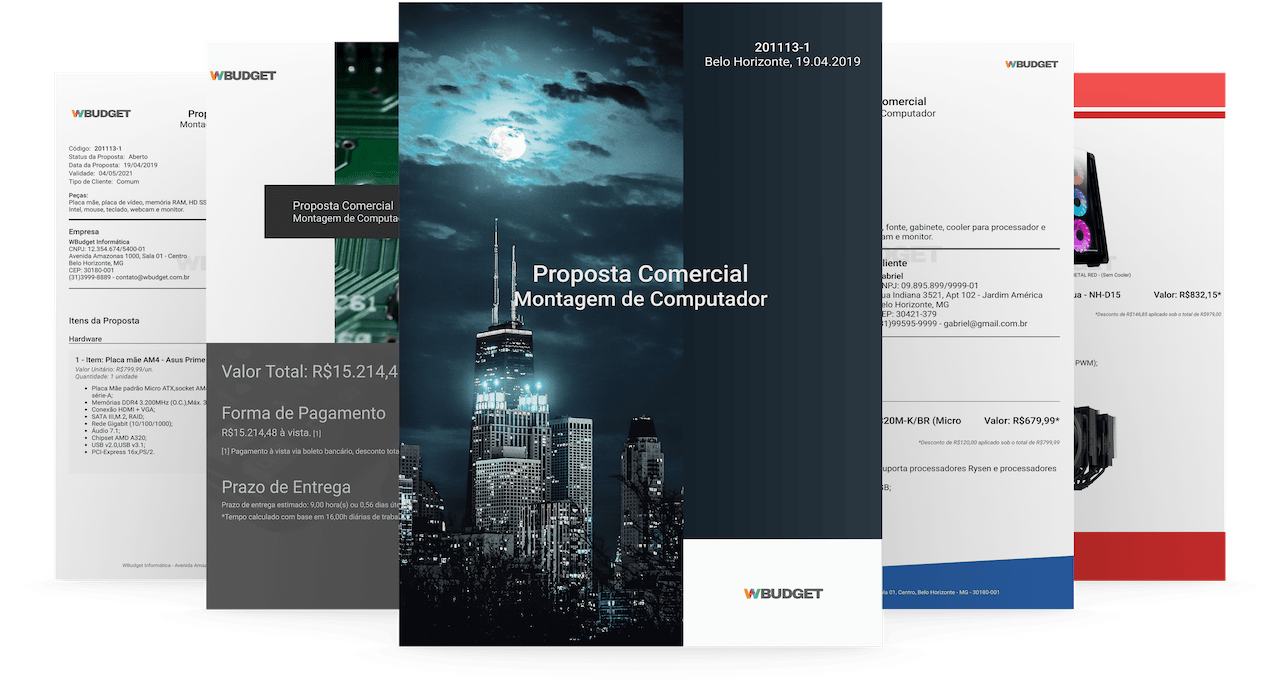
Introduction
In the business world, a business proposal is an essential tool for establishing partnerships and closing deals. It acts as an invitation that should captivate the client and convince them that your solution is the best choice. Creating an effective business proposal is not just about presenting prices and services, but also about telling a story that resonates with your client's needs. In this article, we'll explore five fundamental steps to create a successful business proposal.
1. Understand the Client's Needs
Before you start drafting your proposal, it is crucial to deeply understand what the client wants. This goes beyond what is explicitly stated in a briefing; it involves researching the client, the market they operate in, and the challenges they face.
How to Do It
- Research the Client: Visit the client's website, read relevant articles and news, and understand their goals and core values.
- Conduct Interviews: If possible, talk directly with the client or company representatives to gain valuable insights.
- Study the Competition: Know who your client's competitors are and what they are offering differently.
2. Structure Your Proposal Clearly
A well-structured proposal makes it easier for the client to understand what you are offering. Clarity is a crucial factor in maintaining attention and conveying professionalism.
Essential Elements
- Introduction: Provide a brief introduction about your company and how it aligns with the client's needs.
- Challenges and Solutions: Identify the client's challenges and offer tailored solutions.
- Value Proposition: Highlight what differentiates your offer from the competition.
- Service Details: Explain in detail what is included in your service, including timelines and scope.
- Pricing and Terms: Be transparent about costs and payment terms.
- Call to Action: End with an invitation to discuss the proposal or schedule a meeting.
3. Use Persuasive Language
Language is a powerful tool of persuasion in a business proposal. It is important to use a tone that is both professional and convincing, focused on the benefits the client will gain.
Language Tips
- Use Benefits, Not Features: Instead of listing technical features, focus on the practical benefits the client will gain.
- Be Positive and Encouraging: End sections with phrases that encourage continued reading.
- Include Testimonials: If possible, add testimonials from other satisfied clients to increase credibility.
4. Personalize Each Proposal
Nothing shows more attention and care than a proposal tailored to each client's specifics. Personalizing the document shows that you truly care about their needs and can offer specific solutions.
Personalization in Practice
- Use the Client's Name: Avoid generic proposals by mentioning the company's name and key people involved.
- Adapt Examples and Use Cases: Include examples relevant to the client's industry.
- Reference Previous Conversations: Show that you value the history of interactions already made.
5. Review and Present Professionally
Reviewing is a critical step that cannot be neglected. Grammar or formatting errors can negatively affect the client's perception of your company.
Ensuring Quality
- Spell and Grammar Check: Use tools like Microsoft Word or Grammarly to check for errors.
- Check Formatting: Ensure the proposal is visually appealing, using headings, lists, and images strategically.
- Ask for Feedback: If possible, ask a colleague to review the proposal and offer improvement suggestions.
Conclusion
Creating an effective business proposal is a process that requires attention to detail and a deep understanding of the client's needs. By following the steps above, you will be better prepared to captivate your clients and increase your chances of closing deals.
Now that you know how to structure a successful business proposal, why not put this knowledge into practice? Start working on your next proposal and see how these steps can impact your results. If you need additional help, feel free to contact us for more tips and personalized strategies.
Share Text: