Introduction
In the digital world we live in, the security of online transactions is a growing concern. Enter the digital certificate, an essential tool that ensures the authenticity and integrity of electronic communications. For those who have needed to sign documents online or conduct financial transactions, the term is not unfamiliar. This article explores the importance, peculiarities, and impact of digital certificates in today's scenario.
What is a Digital Certificate?
A digital certificate is, essentially, a digital identity that guarantees the authenticity of a person, company, or device on the internet. Issued by a Certification Authority (CA), it functions like a signature in the digital world, ensuring that the entity in question is who they claim to be.
Components of a Digital Certificate
A digital certificate contains several crucial pieces of information, such as:
- Public Key: Used to encrypt messages or validate signatures.
- Owner Information: Name, email, and other relevant data.
- Validity Date: Indicates the certificate's validity period.
- Certification Authority Signature: Ensures the certificate is authentic and trustworthy.
The Importance of Digital Certificates
With technological advancements, digital security has become a priority. Here are some reasons why digital certificates are crucial:
Security and Authenticity
The primary function of digital certificates is to ensure the authenticity and confidentiality of electronic communications. They guarantee that data has not been altered during transmission and that the sender's identity is legitimate.
Legal Validity
In Brazil, digital certificates have legal validity, allowing electronic documents to be signed with the same legal value as a paper signature.
Applications in Various Sectors
Digital certificates are widely used in various areas, including:
- Financial Sector: To authenticate banking transactions.
- E-commerce: Ensure the security of online buying and selling operations.
- Healthcare: Protect the confidentiality of medical information.
Peculiarities of Digital Certificates
Despite their undeniable advantages, there are peculiarities in digital certificates that must be considered.
Types of Certificates
There are different types of digital certificates, each with its specificities:
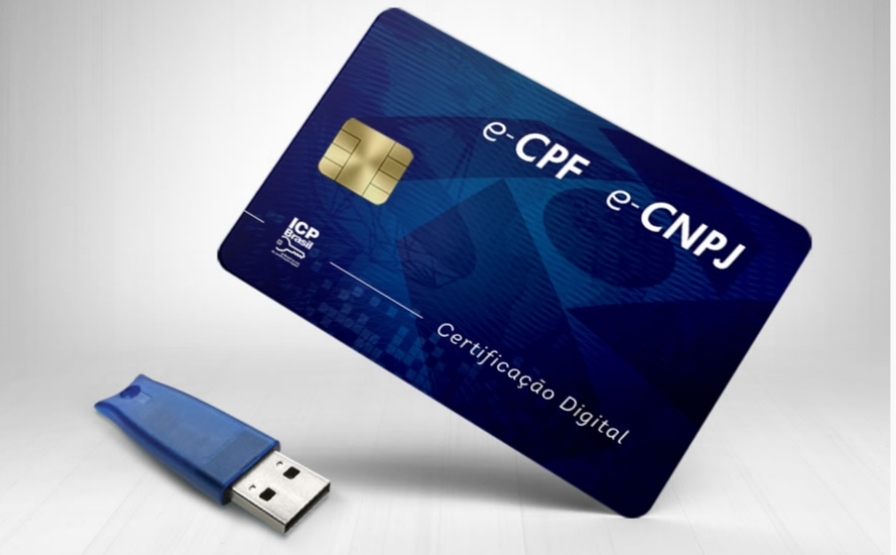
- Individual Certificates (e-CPF): Designed to identify and authenticate individuals in the digital environment.
- Corporate Certificates (e-CNPJ): Used by companies for tax operations and other business activities.
- Server Certificates: Provide security to web servers, ensuring that websites are accessed securely.
Issuance Process
To obtain a digital certificate, one must go through a rigorous verification process. This may include presenting identity documents and physical presence at an authorized service point.
Practical Examples of Use
Contract Signing
With a digital certificate, contracts can be signed remotely, saving time and resources that would be spent on travel and printing.
Income Tax Declaration
Taxpayers can use the e-CPF to access the Federal Revenue system and securely submit their declarations.
Online Shopping
SSL (Secure Socket Layer) certificates ensure that e-commerce sites are accessed securely, protecting user information during transactions.
Conclusion
Digital certificates are fundamental elements in the current digital context, ensuring security, authenticity, and legal validity for a myriad of online operations. As electronic transactions continue to grow, the importance of possessing a digital certificate becomes increasingly evident. If you do not have yours yet, it's time to consider acquiring one, ensuring that your digital interactions are secure and reliable.
Don't be left behind in this constantly evolving world. Look for a trusted Certification Authority and get your digital certificate today. Protect your transactions and gain more security in your online activities!
Share Text: Protect your digital identity. Get your digital certificate now!