Introduction
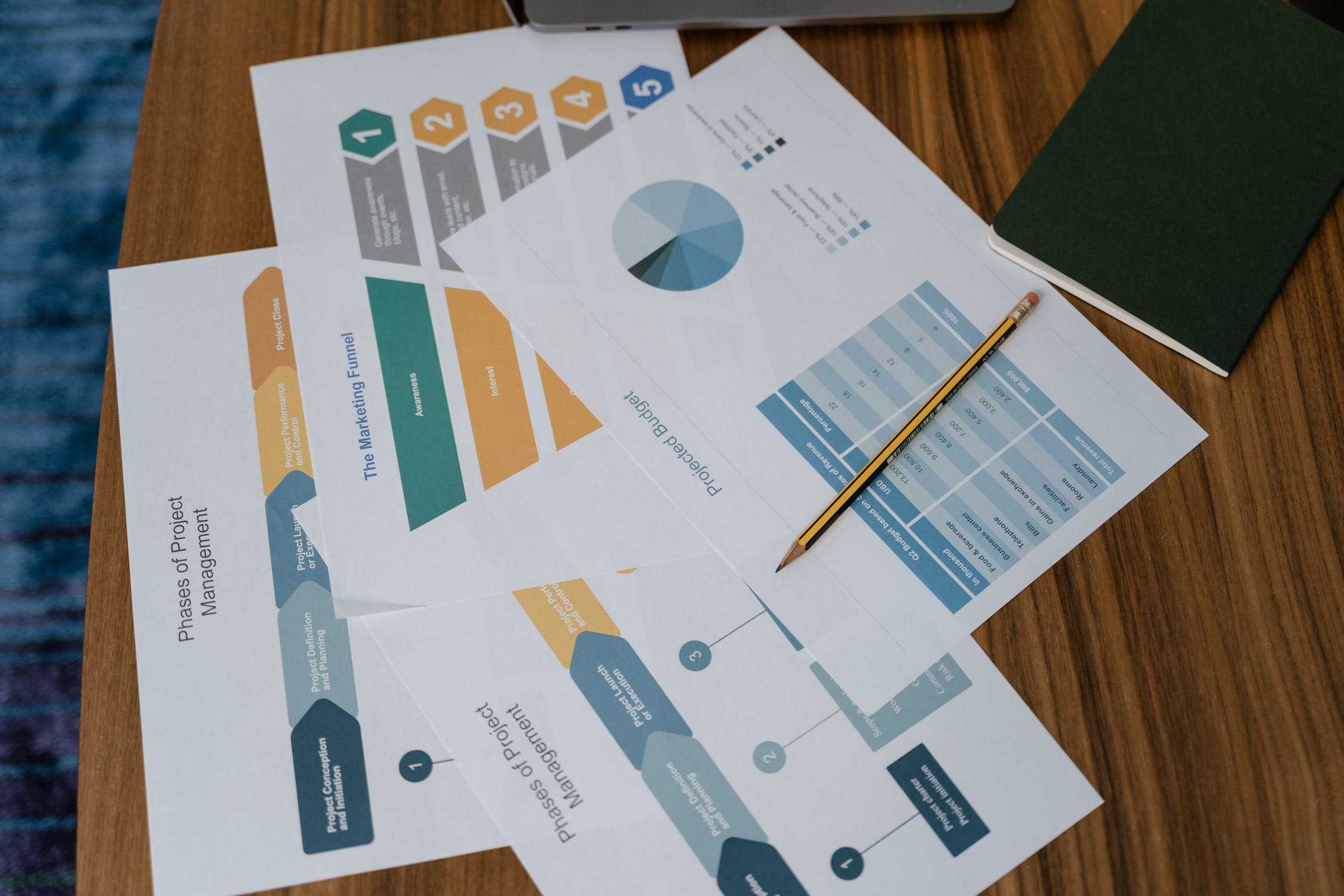
We live in an era where sustainability and efficiency are more than trends; they are necessities. The use of tangible resources, like paper, is an area that deserves special attention from any company that wants to not only survive but thrive in a world increasingly oriented towards sustainable practices. The environmental and financial impact of excessive paper use can be greater than many managers imagine. Therefore, it is essential to rethink its use.
The Financial Impact of Paper Use
Visible and Hidden Expenses
The cost of paper goes beyond simply purchasing reams. There are costs associated with printing, storage, disposal, and even document management. It is estimated that for every dollar spent on paper, more than ten dollars are spent on associated costs, such as ink cartridges, printer maintenance, and storage space.
The Cost of Waste
Many printed documents are used only once and then discarded, representing significant waste. Additionally, the time employees spend handling papers, searching for archived documents, and resolving printing issues could be better used on more productive tasks.
The Environmental Impact
The State of Our Planet
Paper production is one of the most energy and water-intensive industrial processes. Each ton of recycled paper can save about 4,000 kWh of electricity, enough to power an average home for almost a year. With the world facing increasing global warming, it becomes imperative to reduce our dependence on non-renewable resources.
Contribution to Deforestation
Although recycled paper has become more common, the production of new paper still significantly contributes to deforestation. This not only affects the climate but also global biodiversity and air quality.
Transforming Paper into Digital: A Step Toward the Future
Advantages of Digitization
Document digitization might seem like a monumental task, but the benefits outweigh the initial challenges. By converting physical documents to digital, companies can:
- Reduce costs: Eliminate the need for paper, ink, and physical storage.
- Improve efficiency: Facilitate document access, enabling quick searches and instant sharing.
- Increase security: Protect sensitive information with encryption and regular backups.
Tools and Solutions
Currently, there are several solutions on the market to help transition to a paperless office. Document management software, cloud storage services, and digital signatures are just some of the tools that can be integrated into daily business operations.
Conclusion
Rethinking paper use is not just a matter of financial savings but an environmental responsibility. By adopting more sustainable practices, your company can not only reduce costs but also improve its environmental impact and increase operational efficiency. Don't let paper be a hindrance to the growth of your business.
Start the transition to a more sustainable work environment today. Assess your paper needs, implement digital solutions, and inspire your team to adopt more eco-friendly practices. Small changes can have significant impacts.
Keywords: paper costs, environmental impact of paper, document digitization, paper cost, corporate sustainability
Share Text: Reduce costs and boost efficiency by going paperless. Discover how!