Introduction
In an increasingly digital world, the security and authenticity of electronic transactions have become fundamental. This is where digital certificates come in, crucial elements to ensure the integrity and legitimacy of digital signatures on electronic documents. But do you really know what’s behind these certificates? And what types are available in the market? Let's explore this universe, understanding its importance and how ICP-Brasil plays a vital role in this scenario.
What are Digital Certificates?
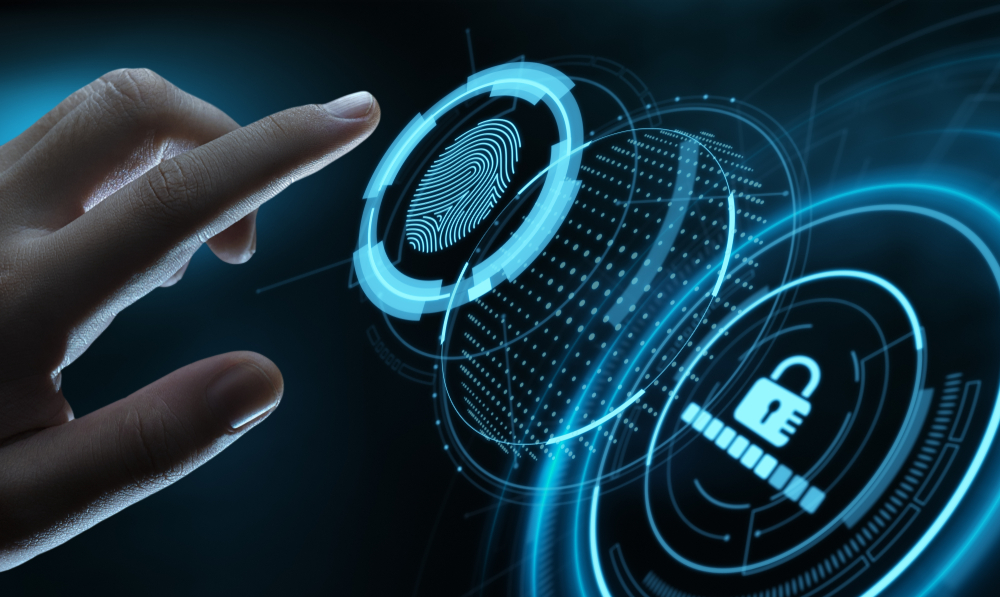
Digital certificates are electronic documents that serve as a virtual identification, validating the identity of a person, company, or even a device. They function similarly to an ID in the physical world, ensuring that a digital entity is who it claims to be. This technology is essential in a world where electronic documents need to be signed and authenticated daily.
How Do Digital Certificates Work?
Digital certificates use cryptography to protect and validate information. They employ a pair of cryptographic keys: a public key and a private key. The public key is available to anyone, while the private key is kept secret by the certificate owner. When a digital signature is created, it uses the private key to generate a code that can be verified by anyone with the corresponding public key, ensuring the document's authenticity.
Types of Digital Certificates
There are different types of digital certificates in the market, each catering to specific needs. Let's get to know the main ones:
-
Certificate A1: This type of certificate is stored on the user's computer and is valid for one year. It is widely used for its ease of access and mobility.
-
Certificate A3: Unlike A1, the A3 certificate is stored on a physical device, such as a token or smart card, offering an extra layer of security. It is valid for one to three years.
-
Certificate A4: Similar to A3, but with an even higher level of security, used for transactions that demand greater protection.
-
S Certificates: These are aimed at protecting confidentiality. They are widely used in secure communications, such as encrypted emails.
-
Server Certificates: Used to ensure the security of websites and online services, like the famous SSL/TLS, which ensures secure data transmission on the internet.
Benefits of Digital Certificates
Digital certificates offer a wide range of benefits for both individuals and companies:
- Security: Protect sensitive information against unauthorized access and fraud.
- Authenticity: Ensure the identity of the sender or recipient of a document or communication.
- Integrity: Ensure that the content of a document has not been altered since it was signed.
- Efficiency: Simplify processes that were previously bureaucratic, saving time and resources.
- Legal Validity: Digital signatures have legal validity, equating to handwritten signatures.
Security and ICP-Brasil
The security of digital certificates in Brazil is backed by ICP-Brasil, the Brazilian Public Key Infrastructure. It is responsible for ensuring the reliability of the digital certification system in the country. ICP-Brasil standardizes and regulates the issuance of certificates, ensuring they are issued by accredited certification authorities and following strict security standards.
Role of ICP-Brasil
ICP-Brasil plays a fundamental role in the implementation and maintenance of digital security in Brazil. Through its policies and guidelines, it:
- Regulates the issuance of digital certificates.
- Controls the accreditation of registration and certification authorities.
- Ensures compliance with international security standards.
Practical Examples
Imagine a company that needs to send an electronic contract to a business partner. Using a digital certificate, the company can sign the document digitally, ensuring its authenticity. The partner, in turn, can verify the signature using the provided public key, ensuring that the document has not been altered since it was signed.
Conclusion
Digital certificates are indispensable elements in today's digital environment. They ensure security, authenticity, and integrity in electronic transactions, bringing reliability to businesses and users. With ICP-Brasil's regulation, we can trust in the security of these certificates and the transactions we perform daily. If you're not yet using digital certificates, it's time to consider this powerful tool for your electronic transactions. To get started, look for an accredited certification authority and explore how digital certificates can benefit your business.
Don't waste any more time. Adopt digital certificates and take your electronic transaction security to the next level!
Share Text: