Introduction
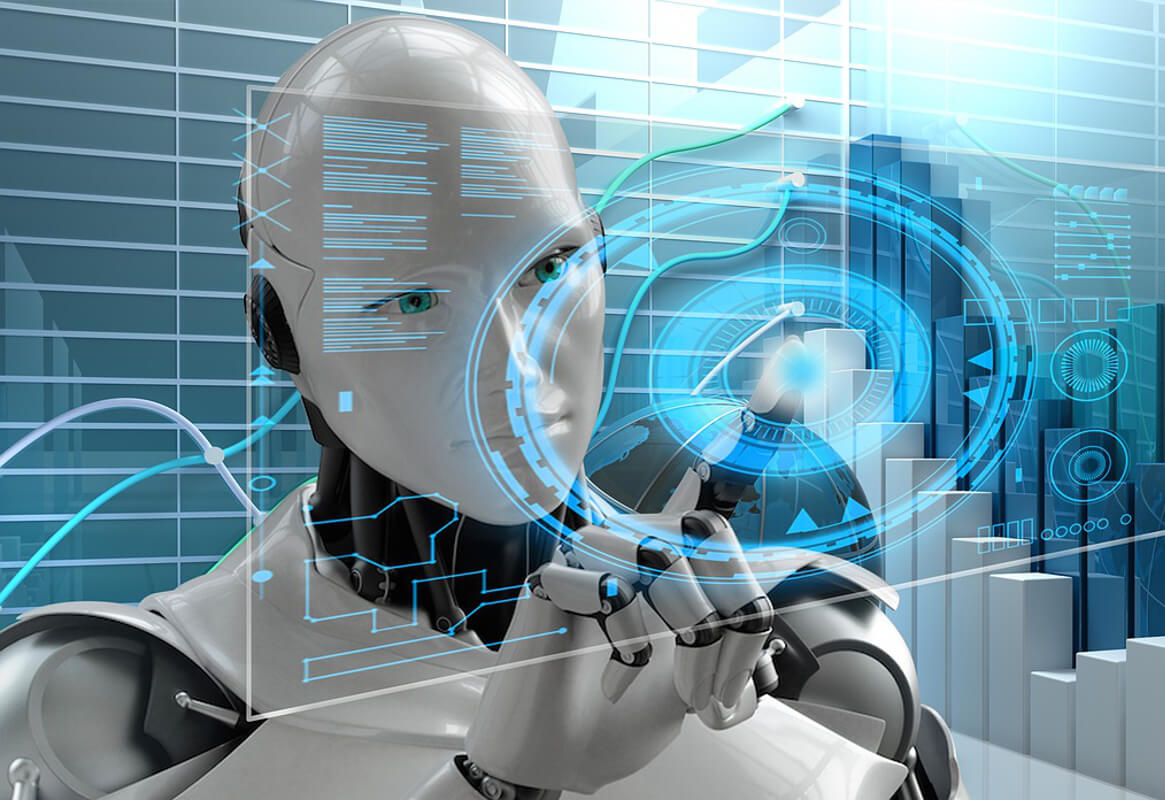
In recent years, digital signatures have become an essential component for streamlining and securing business transactions. The ability to authenticate documents electronically not only saves time but also provides an extra layer of security crucial in today’s digital world. But have you ever stopped to think about how Artificial Intelligence (AI) is revolutionizing this field? In this article, we will explore how these two technologies intersect and the transformative impact of their union.
Digital Signatures: Understanding the Concept
What are Digital Signatures?
Digital signatures are the electronic equivalents of handwritten signatures on paper. They ensure that the signer of a document is who they claim to be and that the content has not been altered after signing. Using advanced cryptography, digital signatures offer a secure and verifiable way to validate the authenticity of electronic documents.
Authentication Methods
There are several authentication methods within digital signatures, each offering different levels of security:
- Digital certificates: Use public key infrastructure (PKI) to ensure the signer's identity.
- Authentication tokens: Electronic keys that provide secure access to systems and documents.
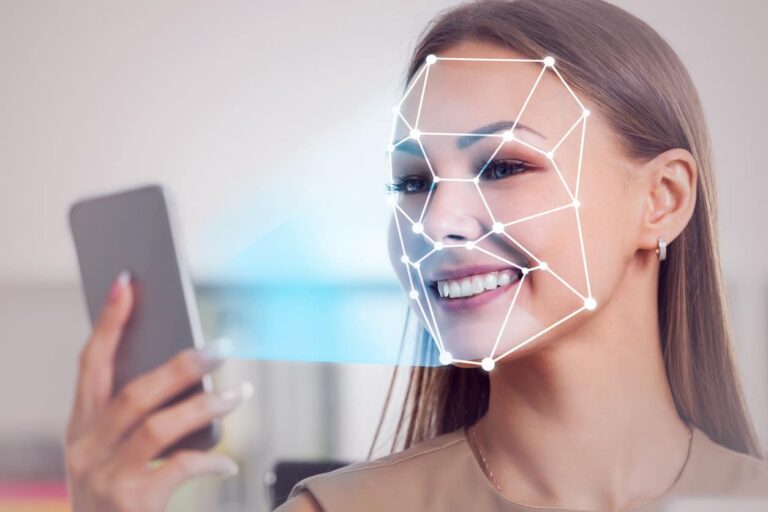
- Biometric authentication: Uses physical characteristics like fingerprints or facial recognition to validate identities.
These methods are essential to ensure that only authorized individuals can digitally sign documents.
The Role of Artificial Intelligence
AI in Security and Authentication
Artificial Intelligence is playing a crucial role in the evolution of digital signatures, primarily in the area of security. AI algorithms are used to:
- Fraud detection: Monitor and identify suspicious activities in real-time.
- Behavioral analysis: Assess user behavior patterns to detect anomalies.
- Advanced biometric recognition: Enhance the accuracy of biometric technologies, making them more secure and reliable.
Process Automation
AI is also being used to automate processes related to digital signatures. This includes:
- Automatic document verification: AI can quickly verify the integrity of documents before and after signing.
- Workflow management: Optimize the signing process from distribution to collection and archiving of documents.
Practical Examples of AI and Digital Signatures Integration
Case 1: Banking Sector
In the banking sector, the combination of AI and digital signatures allows for faster and more secure account opening and loan approvals. AI helps automatically verify documents, while digital signatures ensure all transactions are authentic.
Case 2: Real Estate Sector
For the real estate sector, where contract signing is frequent, AI can assist in analyzing complex legal documents, while digital signatures speed up the business closing process.
Case 3: Healthcare
In hospitals and clinics, digital signatures complemented by AI ensure that medical records and prescriptions are signed and managed securely, protecting sensitive patient information.
Conclusion
Digital signatures, with the support of Artificial Intelligence, are shaping the future of business, offering solutions that are both practical and secure. The integration of these technologies not only improves efficiency but also raises standards of security and reliability.
If you haven't yet incorporated these tools into your business, now is the perfect time to consider their use. The advantages are vast, and adaptation is simpler than you might think.
Start exploring the possibilities that the combination of digital signatures and AI can bring to your business today. Contact experts in the field to discover how to implement these solutions effectively and securely.