Introduction
In today's business landscape, digital transformation has become an indispensable ally for optimizing processes and reducing bureaucracy. Digital signatures emerge as a practical and secure solution, meeting the need to authenticate documents quickly and reliably. But how exactly do these signatures ensure the trustworthiness and authenticity of a digital document? In this article, we'll explore the workings, security, and benefits of digital signatures.
What are digital signatures?
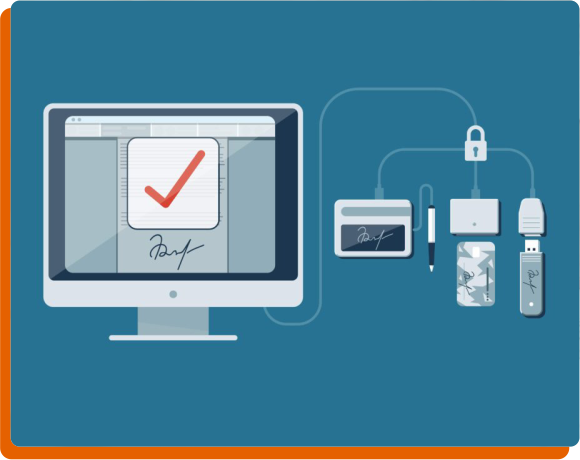
Digital signatures are an electronic form of document authentication that uses cryptography to ensure that a document has not been altered after being signed. Unlike common electronic signatures, which can be just a scanned image, digital signatures offer a higher level of security.
How do they work?
The digital signing process involves a pair of cryptographic keys: a public key and a private key. When a document is digitally signed, a cryptographic hash is generated that is unique to the content of that specific document. This hash is then encrypted with the signer's private key, creating the digital signature.
Advantages of digital signatures
- Enhanced security: Uses advanced cryptography to protect the document's integrity and authenticity.
- Efficiency: Reduces the time needed to sign and send documents, eliminating the need for physical paper.
- Sustainability: Decreases paper usage, contributing to more environmentally responsible practices.
- Reliability: Ensures that the document has not been altered after signing.
How is trust and authenticity ensured?
The security of digital signatures is based on three main pillars: integrity, authenticity, and non-repudiation.
Integrity
Digital signatures ensure that any modifications made after signing are immediately detected. The cryptographic hash is unique, and any change to the document alters the hash, invalidating the signature.
Authenticity
Public key cryptography ensures that the document was signed by the person who holds the corresponding private key. Certification authorities (CAs) issue digital certificates that link the signer's identity to a pair of cryptographic keys.
Non-repudiation
Once digitally signed, the signer cannot later deny the authorship of the signature. This is crucial in negotiations and contracts, ensuring that all parties are aware and consensual.
Practical examples in business use
- Electronic contracts: Companies can finalize contracts quickly without the need for face-to-face meetings or postal deliveries.
- Internal approvals: Facilitates the approval flow within organizations, enabling remote collaboration.
- Financial transactions: Increases security in sensitive documents such as banking transactions and tax declarations.
Implementing digital signatures
To implement digital signatures in a business, some steps need to be followed:
- Choose a reliable platform: There are several tools on the market, such as DocuSign and Adobe Sign, which offer robust solutions for digital signatures.
- Obtain digital certificates: Essential for validating the identity of the signer.
- Training: Train the team to understand and handle digital signatures properly.
Conclusion
Digital signatures are a crucial innovation for any company looking to adapt to the demands of the modern world, promoting efficiency and security. If your company has not yet adopted this technology, now is the ideal time to consider its implementation. Embrace digital transformation and optimize your business processes with digital signatures!
For more information on how to implement digital signatures in your company, contact us or visit our website for a free consultation.
Share Text: