Introduction
In an increasingly competitive and globalized business landscape, companies need to go beyond the basics to stay relevant. Adopting practices that meet clients' expectations and demands can be the difference between success and failure. A concept gaining prominence in this context is Corporate Governance, aimed at achieving excellence in management and business strategies. Another term that Brazilian companies need to explore is ESG (Environmental, Social, and Governance), which is not yet as prominent here as in Europe, but is starting to occupy an important space in organizational discussions.
The Importance of Corporate Governance
Corporate Governance is essential for ensuring companies are managed ethically and transparently. This concept involves a set of practices aimed at improving business management, increasing transparency, and consequently, building more trust among stakeholders.
Benefits of Corporate Governance:
- Transparency: Allows shareholders and stakeholders to have a clear view of the company's operations and finances.
- Accountability: Ensures management makes decisions aligned with shareholders' interests.
- Sustainability: Promotes practices that ensure the company's growth and survival in the long term.
Companies adopting good Corporate Governance are perceived as more reliable and attractive to investors, partners, and customers.
ESG: A Global Trend
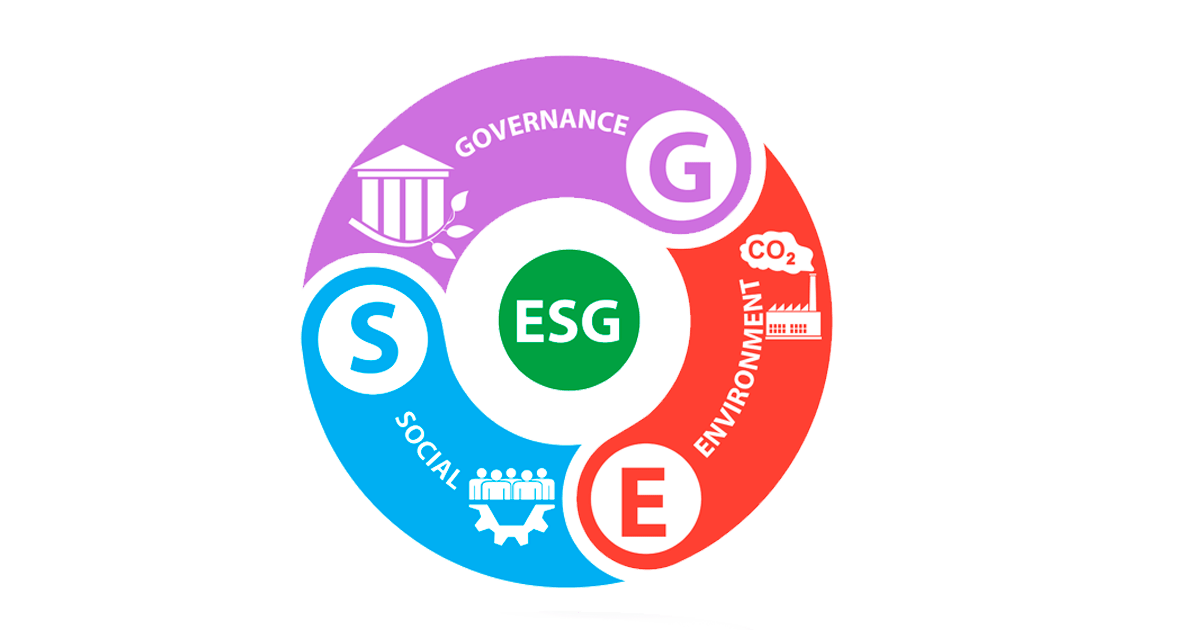
ESG is an approach that considers environmental, social, and governance criteria in a company's operations. Although still gaining traction in Brazil, ESG is widely adopted in Europe and is becoming a critical factor for business success.
ESG Components
-
Environmental: Involves sustainable practices that minimize environmental impact. Examples include reducing pollutant emissions and efficient resource management.
-
Social: Refers to how the company manages relationships with employees, suppliers, customers, and communities. Issues like human rights and diversity fall within this scope.
-
Governance: Relates to the structure and decision-making processes within the organization. Includes compliance policies and business ethics.
ESG in Practice in Brazil
While Brazil is still adapting to ESG practices, some companies are already standing out:
- Natura: Recognized for its sustainable and social practices, Natura exemplifies how integrating ESG into the business model can create value.
- Ambev: Focused on ambitious environmental goals, such as reducing water consumption, Ambev demonstrates how ESG can be part of the core business.
Adopting Practices Aligned with Customer Expectations
Consumers are becoming increasingly aware and demanding. They not only seek a good product or service but also want to know how the company acts socially and environmentally. Therefore, companies need to align their practices with these expectations.
How to Adopt Aligned Practices
- Market Research: Understand what your customers value and expect from your brand.
- Product Innovation: Develop products that meet demands for sustainability and social responsibility.
- Transparent Communication: Maintain open communication about your ESG and Corporate Governance practices.
Conclusion
In today's market, adopting practices in tune with customer expectations is not just a competitive advantage but a necessity. Corporate Governance and ESG are powerful tools that can help companies achieve this alignment and ensure long-term success.
Therefore, it is crucial for Brazilian companies to delve deeper into these topics and implement strategies that reflect these values. It's time to act! Evaluate how your company can start incorporating ESG practices and improving its Corporate Governance. Small changes can make a big difference.
If you want to receive more tips on how to implement these practices in your business, subscribe to our newsletter and stay informed about the most effective strategies for sustainable business success.
Share Text: